
SIM card for the USA and Canada: stay connected on your trip
Which frequencies does AT&T use in 2023?
Published on by Daniel Fritz
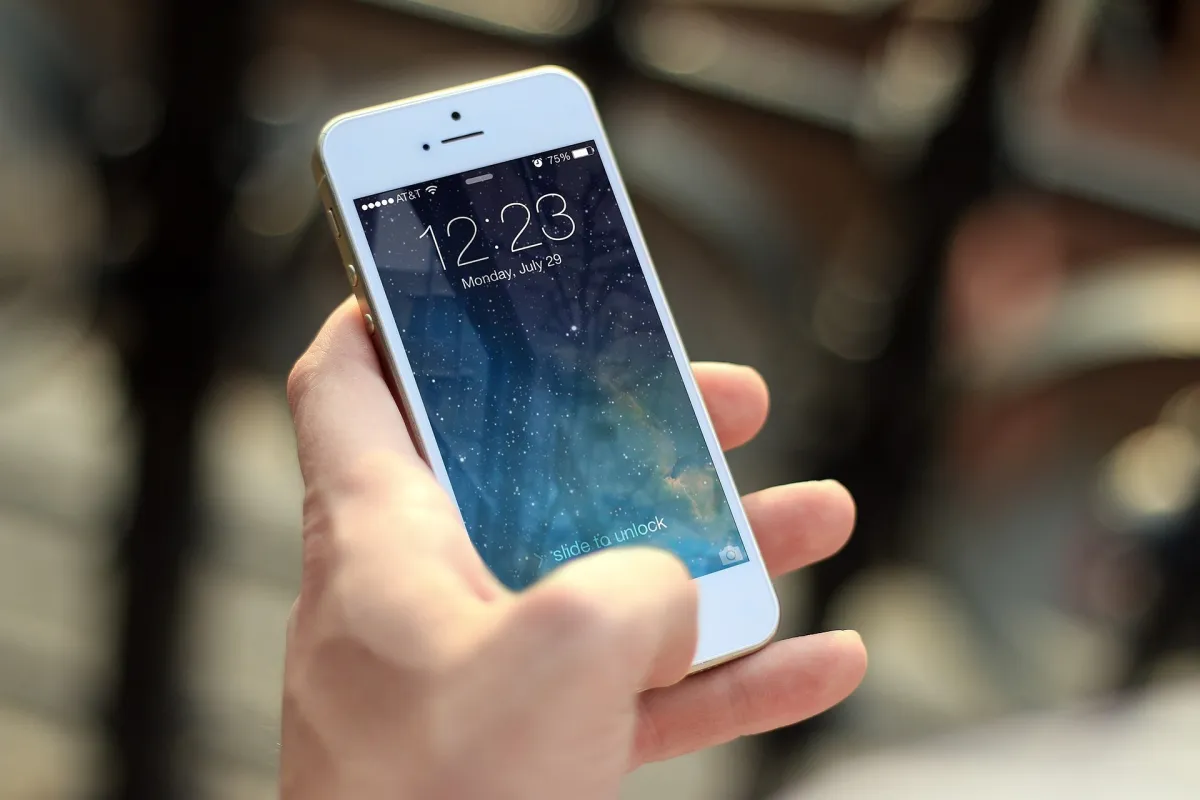
There is still uncertainty about which frequencies will be used in the USA in 2023. Here is an overview.
Looking for an overview of which frequencies AT&T uses in 2023? This article summarises the key bands and what they are used for.
In 2023, AT&T uses various frequencies for its mobile networks, including 5G. Here are some of the main frequencies AT&T uses in 2023:
- 850 MHz (Band 5): AT&T mainly uses the 850 MHz band for 2G and 3G communication. This frequency band offers good coverage and building penetration, making it a good choice for rural areas and indoor spaces.
- 1900 MHz (Band 2): The 1900 MHz band is used by AT&T for 2G, 3G and 4G communication. It offers higher capacity and data transfer rates than the 850 MHz band, but lower coverage and building penetration.
- 700 MHz (Bands 12, 14, 17 and 29): AT&T mainly uses the 700 MHz band for 4G and 5G communication. This frequency band offers good coverage and building penetration as well as higher capacity and data transfer rates than the lower frequency bands.
- 1700/2100 MHz (Bands 2 and 4): AT&T mainly uses these frequency bands for 4G communication. They offer higher data transfer rates than the 850 MHz band, but lower coverage and building penetration than the 700 MHz band.
- Millimetre wave frequencies (mmWave): AT&T uses millimetre wave frequencies for its 5G+ networks, which offer higher data transfer rates and low latency. However, these frequencies have a short range and, due to their high frequencies, are more susceptible to interference from obstacles such as buildings and trees.
It is important to note that AT&T may vary the frequency bands and technologies it uses for its mobile networks depending on location and demand.